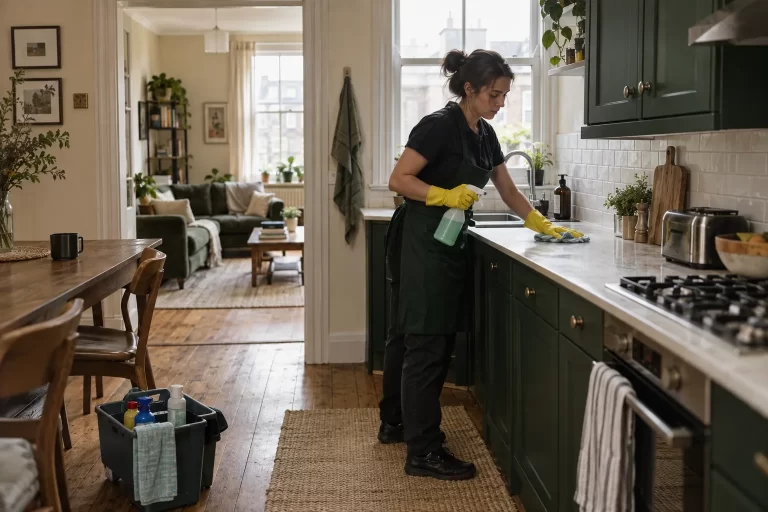
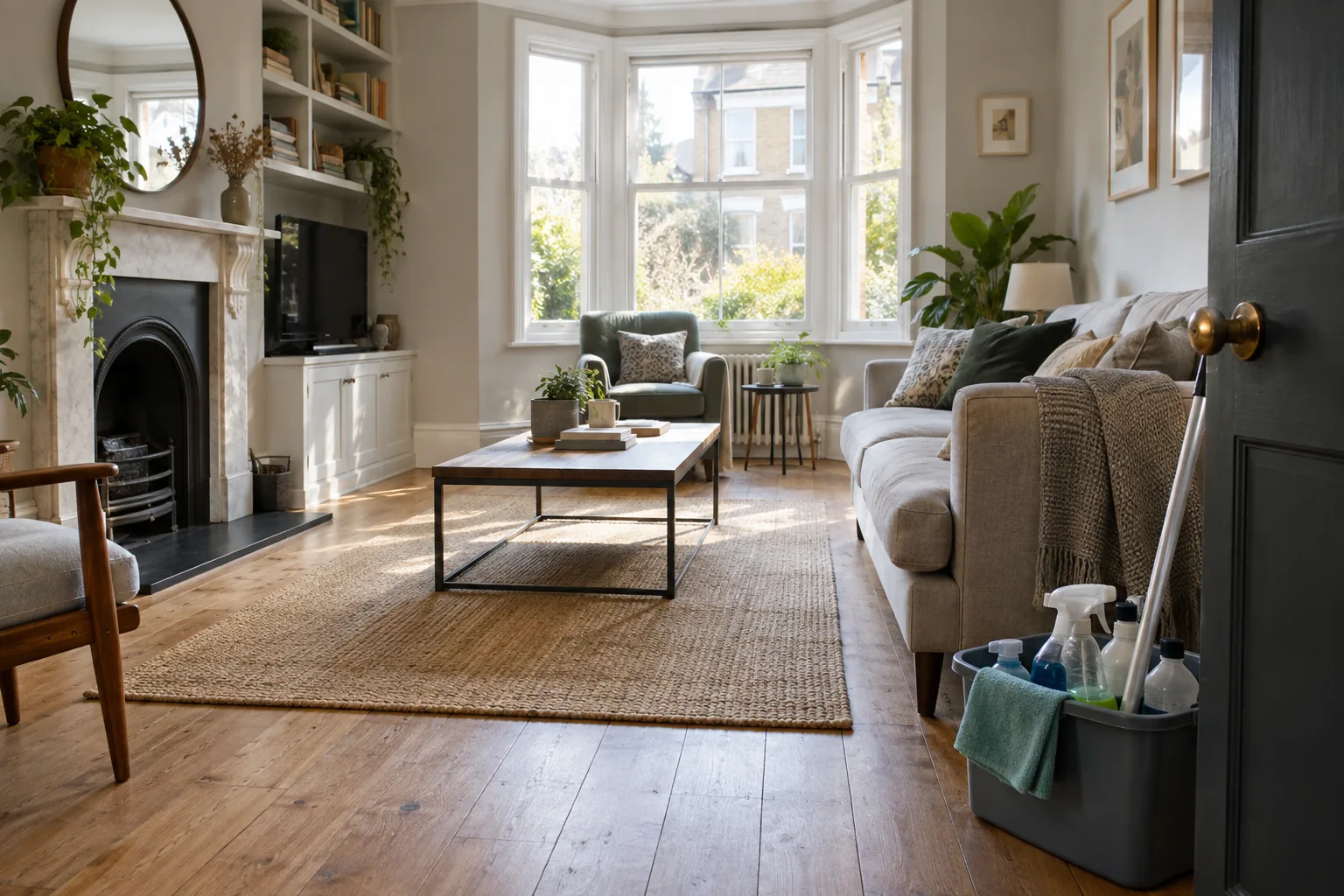
Prepare for a one-off clean by deciding the priorities, clearing access and putting away fragile or private items—not by cleaning the house in advance. The aim is to protect paid cleaning time from avoidable decisions and obstacles while leaving the actual soil and build-up available for the cleaner to assess.
Write the result you want
“Clean everything” is not a useful brief when time is limited. Name the rooms and the outcome: a reset after a busy period, detailed kitchen and bathrooms, dust removal before guests, or attention to neglected edges. Put the most important result first.
If the property needs routine upkeep rather than a single reset, compare the choices in deep, one-off and regular cleaning before fixing the scope.
Rank priorities, do not merely list them
Create three groups: essential, useful if time allows, and excluded. The essential group should be short enough to protect. A long flat list forces decisions to be made during the visit, usually without the full household context.
Point out the reason for an unusual priority. A low shelf may matter because a baby is beginning to crawl; a spare room may be excluded because it contains a work project.
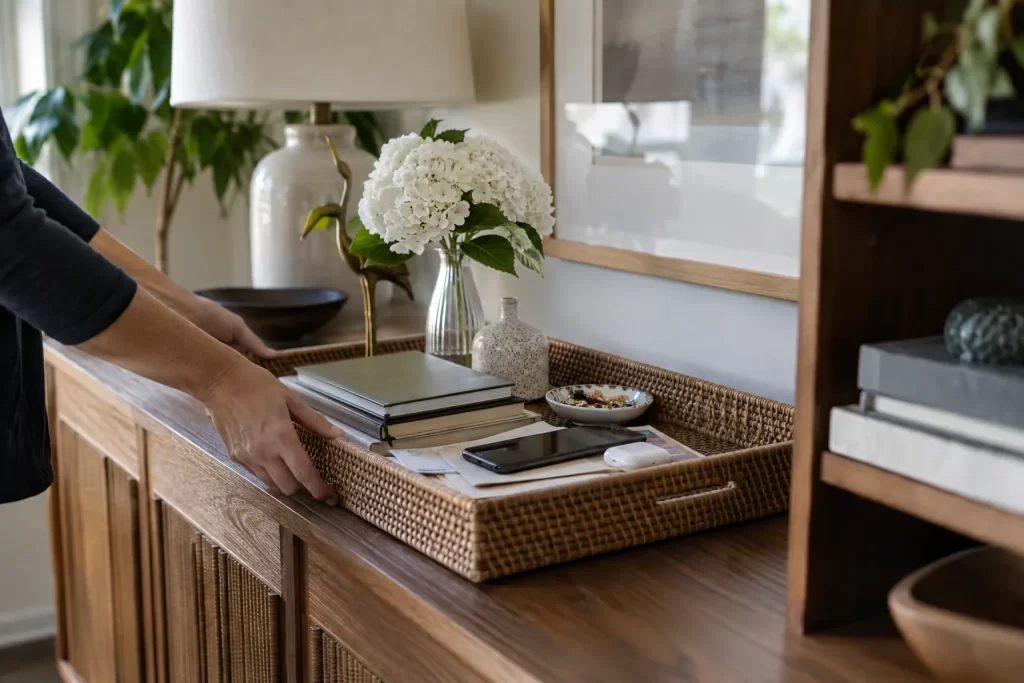
Clear objects that require personal decisions
Put away paperwork, medicines, jewellery, cash, keys and small electronics. Group children’s projects and hobby materials rather than asking a cleaner to decide what is rubbish. Clear sinkfuls of washing-up if dishwashing is not in the agreed scope.
You do not need to create an empty showroom. Ordinary furniture and belongings can remain, but a surface covered edge to edge cannot be cleaned efficiently beneath.
Protect fragile and sentimental belongings
Move unstable ornaments, loose frames and irreplaceable items to a safe excluded place. Mention anything that looks robust but has a weak repair, loose handle or delicate finish. Do not balance fragile objects on a bed and assume they are out of the way.
If an item must stay, agree whether it will be moved, cleaned around or excluded. A clear limit is better than an improvised lift.
Make access straightforward
Confirm the address, entry instructions, parking or loading restrictions, lift arrangements and the working doorbell. If you will be out, test keys and agree their return. Tell the cleaner about an alarm before it begins sounding.
Keep halls and stairs free of bags, deliveries and folded buggies. Equipment needs a safe route, and emergency exits must remain clear.
Provide safe utilities
There should be working water, electricity, drainage and enough light to inspect surfaces. Report a leaking tap, faulty socket or isolated circuit. A cleaner should not be expected to diagnose or work around unsafe building services.
Ventilation may be needed for bathrooms and treated fabrics. Explain windows that are restricted or fans that operate from a separate switch.
Identify materials and recent work
Share care instructions for natural stone, specialist flooring, painted furniture and delicate appliances. Say if a surface was newly sealed, painted or repaired. Fresh finishes may not be ready for normal cleaning even when they feel dry.
Keep product details from installers where possible. Guessing from appearance is unreliable, especially with floors designed to imitate timber or stone.
Discuss pets before the door opens
Choose a secure, comfortable arrangement for pets. A friendly animal can still become anxious around a vacuum, escape through an open door or walk over a damp floor. Provide relevant information about feeding areas, litter trays and doors that must stay shut.
Do not lock an animal in a room that is part of the essential scope. Adjust either the pet plan or the room plan in advance.
Separate cleaning from maintenance
List loose fittings, failed sealant, mould linked to an unresolved leak, cracked glass and damaged surfaces. Cleaning may remove soil around these issues but cannot repair them. Photographs help distinguish existing defects from the condition after work.
Likewise, heavy waste removal, pest contamination and hazardous material need explicit arrangements and may fall outside domestic cleaning.
Confirm specialist additions
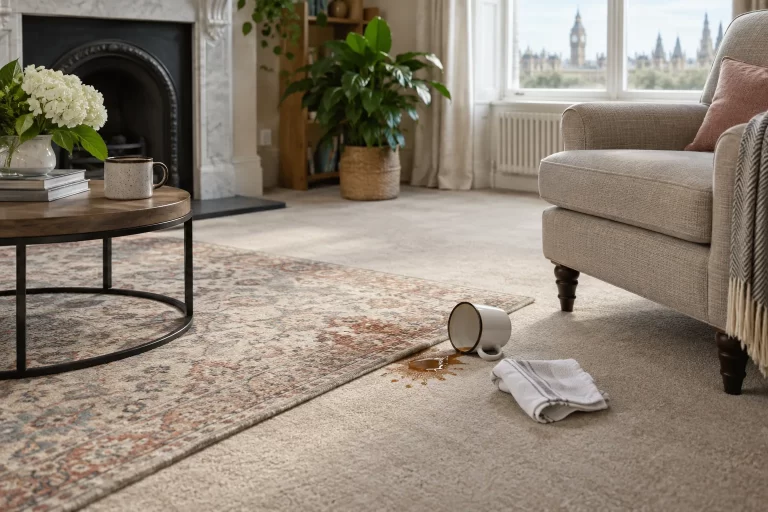
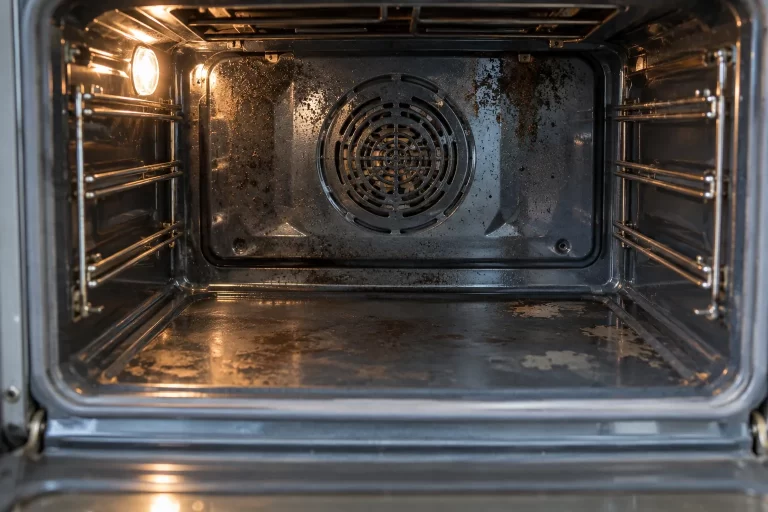
Inside ovens, upholstery, carpets and exterior windows are not automatically included in every one-off visit. Confirm them separately so suitable time, equipment and methods can be planned. Do not reveal an appliance at the end and expect it to fit into unused minutes.
For an oven appointment, use the dedicated safe preparation checklist. It covers cooling, trays and faults in more detail.
Prepare a brief arrival walkthrough
Allow five to ten focused minutes to compare the written priorities with the actual condition. Show water access, bins, excluded rooms and fragile materials. This is not the moment to add an entirely new floor of the building.
If you cannot attend, send a concise room list and clear photographs in advance. Name one person who can answer a scope question.
A night-before checklist
- Priority rooms and exclusions are written down.
- Private, valuable and fragile items are secure.
- Floors and access routes are free of avoidable clutter.
- Keys, parking, alarm and contact details are confirmed.
- Pets have a safe arrangement.
- Known damage and delicate materials are identified.
- Specialist tasks are confirmed rather than assumed.
What to leave alone
Do not apply last-minute products to stains or surfaces to “help”. Mixed residues can complicate safe treatment. Do not hide condition with fragrance or move all contents into one room that still needs cleaning. And do not exhaust yourself wiping easy areas while the decisions above remain unresolved.
A well-prepared one-off visit still begins in a lived-in home. Preparation simply gives the cleaner permission, access and priorities. That turns a fixed appointment from a series of interruptions into a deliberate piece of work, while keeping expectations tied to the agreed time and condition.
Decide how completion will be reviewed
If you will be present, reserve a few minutes for a calm walkthrough while the brief is available. Check priority rooms first and distinguish an excluded or inaccessible area from a missed task. If you are away, agree which photographs or message will confirm completion without capturing private material.
Raise a precise question promptly: name the room, surface and expected task. General dissatisfaction after furniture has been moved back or the household has resumed normal use is harder to assess fairly.
Reset the home after the visit
Allow damp floors or treated areas to dry, then return only the belongings that were deliberately moved. Use the opportunity to discard nothing unless the owner has decided it is waste. A one-off clean can create a useful baseline, but its result lasts longer when everyday storage and spill response are workable.
Keep the written priority list for any follow-up. It provides a useful record of what the appointment was designed to achieve and helps shape a future visit without starting the discussion again.