Prepare an oven-cleaning appointment by making the appliance cool, empty and safely accessible. Remove food, pans and loose items that are not part of the oven. Clear the floor and worktop immediately around it, note any existing fault or damaged component, and keep children and pets away from the working area. Do not dismantle fixed panels or attempt to loosen parts that the manufacturer does not describe as removable.
The purpose of preparation is not to pre-clean the appliance. It is to prevent avoidable delay and make the condition clear before work begins. A short description of the oven type, number of cavities and removable racks is more useful than simply saying that it is “very dirty”.
Confirm the appliance type and layout
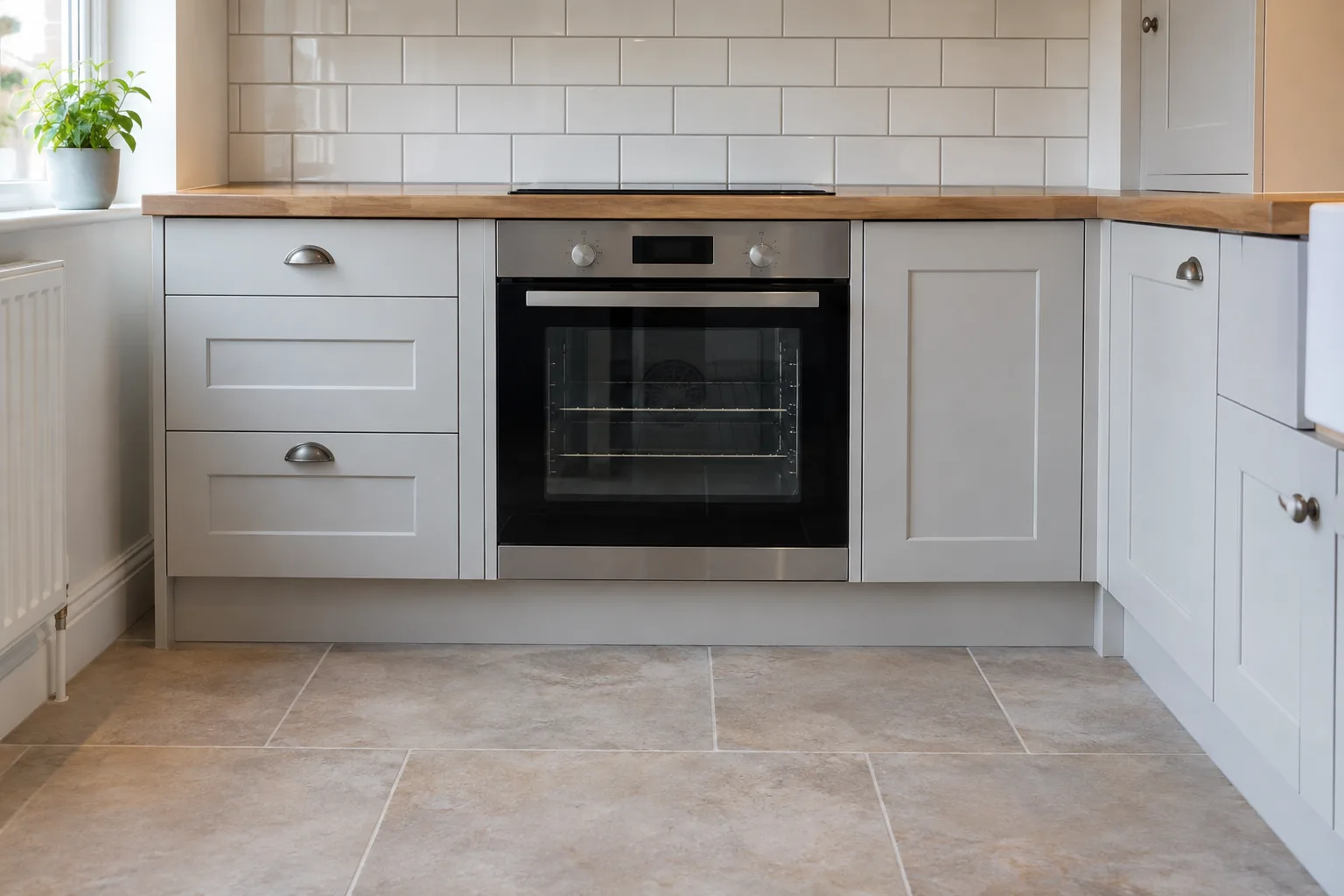
A single oven, double oven and range-style appliance present different cavities, doors, racks and access. Check the make and model if those details are readily available, but do not remove the appliance from its housing. Mention separate grills, side racks, trays, telescopic runners or unusual liners when requesting a quote. Photographs with the doors open can help show the layout.
Report whether the appliance is built in, freestanding or positioned close to a wall or cupboard. The cleaner needs stable working space and a route for equipment. If the kitchen is very compact, clear the nearby floor rather than moving heavy appliances yourself.
Let the oven cool completely
Do not use the oven immediately before the appointment. A hot cavity, rack or lamp cover cannot be handled safely and may change how products behave. Switch the appliance off in the normal way and allow it to cool. If the manufacturer gives a specific isolation procedure for maintenance, follow that guidance; do not improvise with wiring or switches you do not understand.
Tell the cleaner if the oven has recently displayed a fault, tripped a circuit, smelled electrical or failed to heat evenly. Cleaning is not appliance repair. A suspected electrical or gas fault should be assessed by an appropriately qualified person rather than concealed by a cleaning booking.
Remove food and personal kitchen items
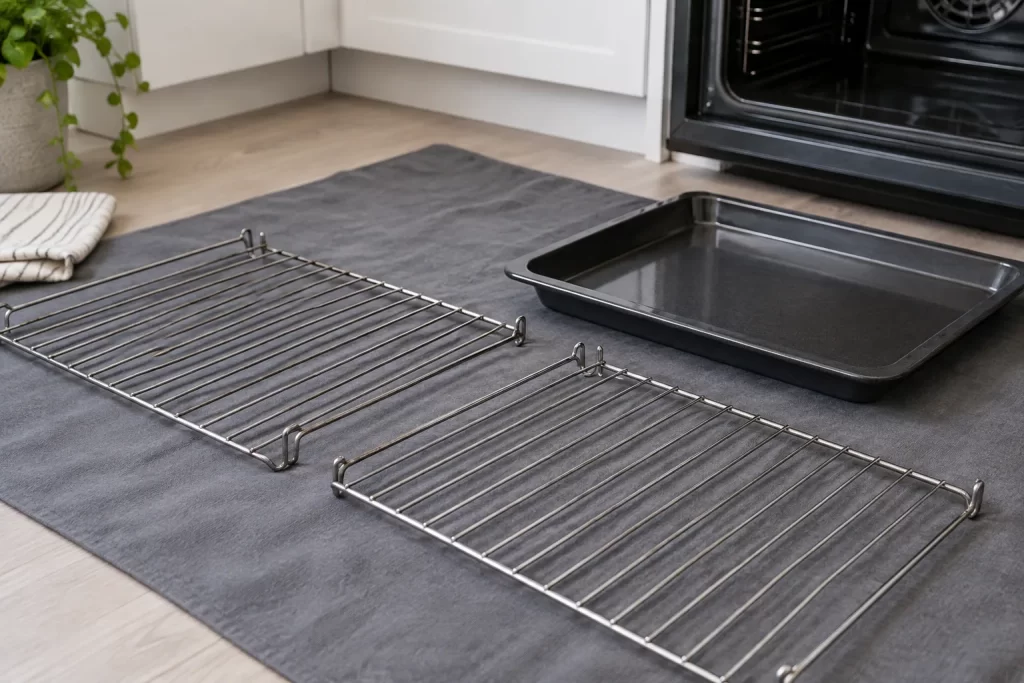
Take out stored pans, baking dishes, foil, thermometers and food. Check the warming drawer and any lower storage compartment. Loose personal items can be mistaken for oven components or become coated while racks are being handled. Keep appliance instructions nearby if they identify special surfaces or removable pieces.
Clear the adjacent worktop of food, open containers, utensils and small appliances. A clean towel or protected area may be needed for parts, but let the cleaner decide how to organise it. Emptying the surrounding zone also reduces the risk of transferring residue to objects that will return to food preparation.
Do not force removable parts
Racks and trays that lift out normally can be identified in advance. Side supports, door glass and liners vary by model. If a component sticks, leave it in place and point it out. Force can bend runners, chip enamel or damage a fixing. A door that the manufacturer describes as removable may still require a precise sequence and safe handling.
Do not unscrew panels or separate glass panes simply to make them available for cleaning. Inaccessible material between fixed panes may remain unless the appliance is designed for safe user removal. Likewise, damaged seals should not be pulled away. They are components, not residue.
Record wear and damage before work starts
Look at the enamel, glass, seals, controls and exposed metal in ordinary light. Note cracks, chips, scratches, corrosion, loose knobs and discoloured areas. A quick photograph can distinguish an existing defect from a change noticed later. It also helps set expectations: carbonised residue may improve, while missing enamel or etched glass cannot be replaced by cleaning.
Tell the cleaner about previous products, especially if residue remains. Do not add another strong product shortly before the visit. Combining or layering chemicals is unsafe and can obscure the original condition. Never mix cleaning chemicals.
Make the work area usable
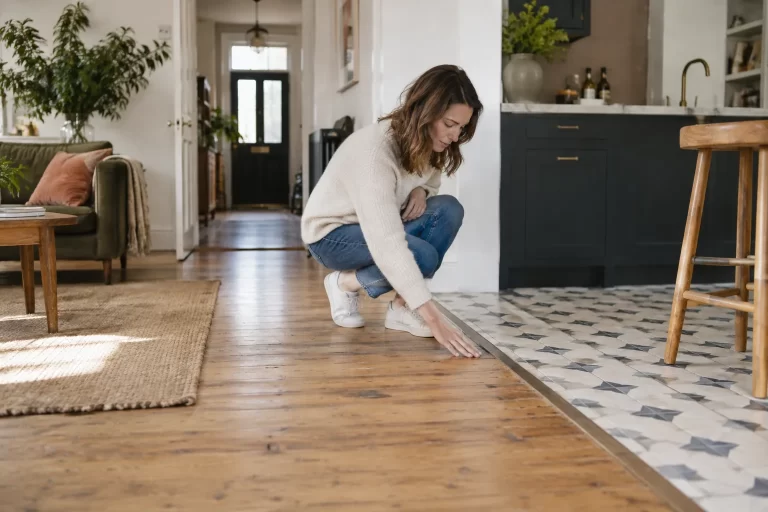
Provide a clear route from the entrance to the kitchen and keep the floor around the oven free of mats, stools, pet bowls and boxes. Mention stairs, parking restrictions or long equipment routes when arranging the appointment. If the kitchen must remain partly in use, agree which section will stay available and avoid preparing food beside the work.
Ventilation may be needed, but the appropriate arrangement depends on the property and weather. Check that a window or extractor can be used if required. Do not assume an extractor removes every vapour, and do not block the cleaner’s safe position with an open door or moving household traffic.
Plan for children, pets and other occupants
Keep children and animals in another secure part of the home throughout the work and while the area is being returned to normal. Bowls, toys and bedding should not remain beside the appliance. Tell the cleaner if an occupant has a known sensitivity to fragrance or a particular product requirement before the day, not after products have been selected.
Someone working from home may need an alternative route to drinks or lunch. Agree that in advance. Repeatedly crossing the work zone makes the appointment slower and increases the chance of contact with parts placed out for cleaning.
Understand what oven cleaning cannot fix
Cleaning addresses accessible residue. It does not repair failed heating elements, lights, fans, hinges, thermostats, seals or electronic controls. It cannot recreate enamel that has worn away, reverse corrosion or remove scratches from glass. Some long-standing carbon marks and discolouration may remain even after careful work.
If repair and cleaning are both needed, ask which should happen first. An engineer may need to diagnose a fault before moisture or moved components complicate the inspection. After a repair, new fingerprints or packaging debris may justify a light final clean, but that is different from treating years of residue.
What to check when the appointment ends
Confirm that the agreed cavities, racks and accessible glass were addressed, then identify any remaining marks described as wear or permanent change. Check that removable components have been returned correctly and that controls are in the agreed position. Follow any instructions about ventilation, drying or first use; do not invent a heating cycle of your own.
If the oven is part of a larger kitchen reset, keep the scopes separate. General deep cleaning may cover surrounding units and floors, while the oven-cleaning service deals with the appliance specified in the quote. Clear preparation lets both pieces of work proceed without food, belongings or uncertain components getting in the way.
Leave enough time after the visit to inspect the appliance calmly before the kitchen becomes busy again. If another contractor or household member needs it immediately, tell the cleaner at booking so the handover can be planned rather than rushed.