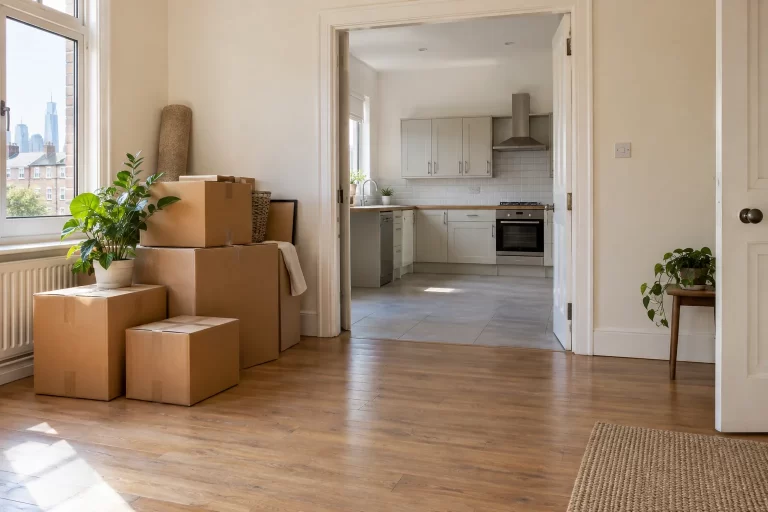
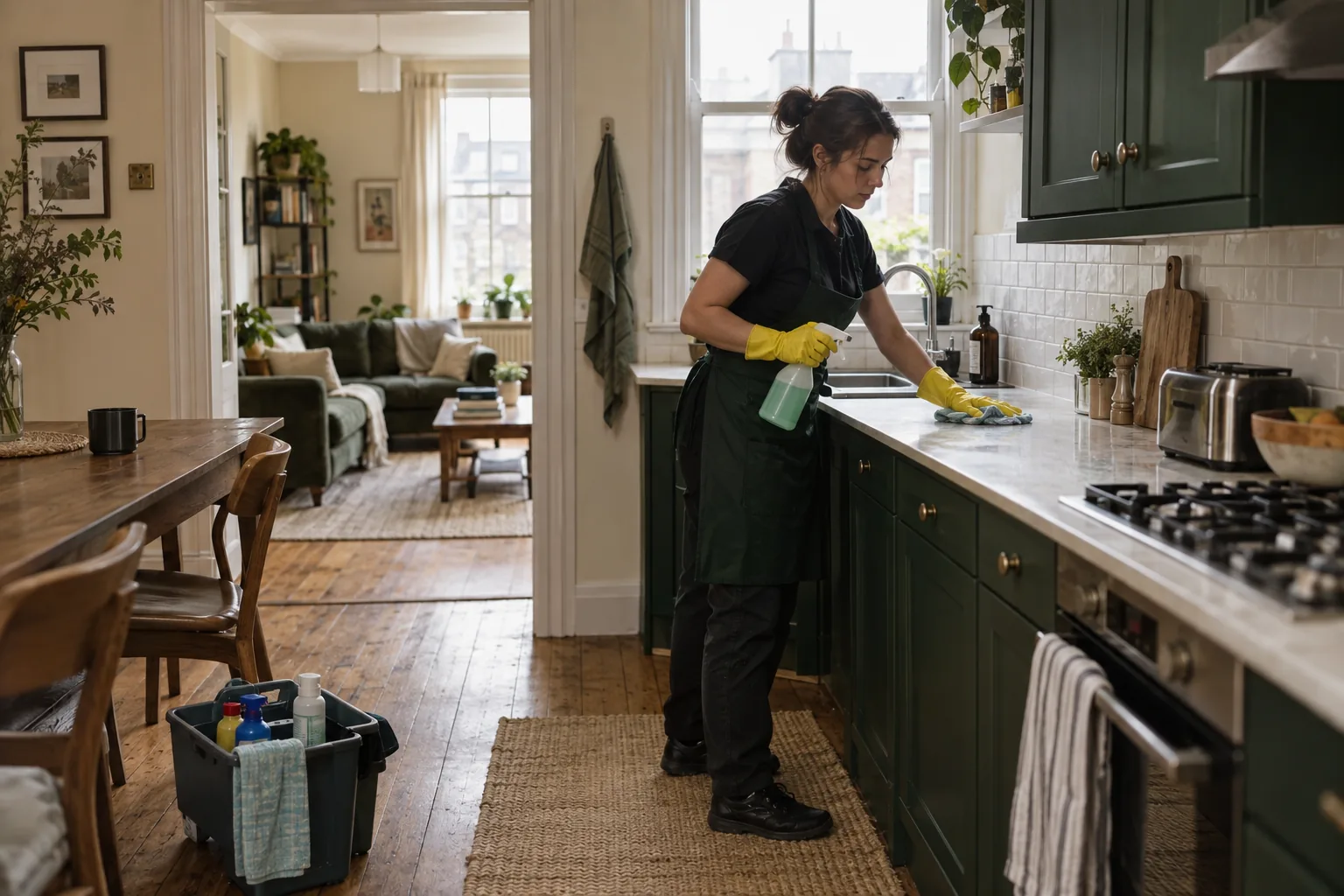
Three hours is enough for useful, visible progress in a maintained home, but it is rarely enough for every room to receive the same level of detail. The best result comes from choosing a small core of priorities before the visit. In a typical flat, that might mean a thorough kitchen and bathroom clean followed by vacuuming and surface dusting in the main living areas. If the property is larger, heavily furnished or carrying built-up residue, the same time needs a narrower brief.
The number of bedrooms is only a rough clue. Condition, clutter, floor area, the number of bathrooms and how easily equipment can move through the home all matter. A clear instruction such as “finish the kitchen and main bathroom, then use the remaining time on floors” is more useful than a long list in which every task appears equally urgent.
Start with the result, not a room-by-room wish list
Decide what should feel different when the appointment ends. If you want the home ready for an ordinary working week, the most valuable changes may be clean food-preparation surfaces, bathroom fittings, clear floors and controlled dust in the rooms used every day. If guests are arriving, the entrance, sitting room and guest bathroom may move above bedrooms that are not being used. A household with a crawling child may place reachable floors ahead of polishing decorative objects.
Put the first two outcomes in order. Those are the protected priorities: the cleaner should not leave them half-finished merely to touch every other room. Then name a second group that can be attempted if time remains. This simple distinction prevents the last hour becoming a rush through low-value tasks.
What changes how far three hours will go?
A maintained kitchen with clear worktops is different from one with dried cooking residue, a crowded draining board and dozens of small appliances to move. In a bathroom, routine marks around the basin and shower are different from long-standing scale, discoloured sealant or residue around detailed fittings. The second version of each room needs more decisions, more controlled product contact and more repeated wiping.
Furniture density also changes the pace. Vacuuming an open bedroom is straightforward; working around storage boxes, cables, delicate lamps and objects on every ledge is not. Stairs, multiple floors and a distant parking place add handling time. Pets can affect access and may require extra passes on textiles or edges. None of these details makes the visit impossible, but they explain why a promise based only on bedroom count is unreliable.
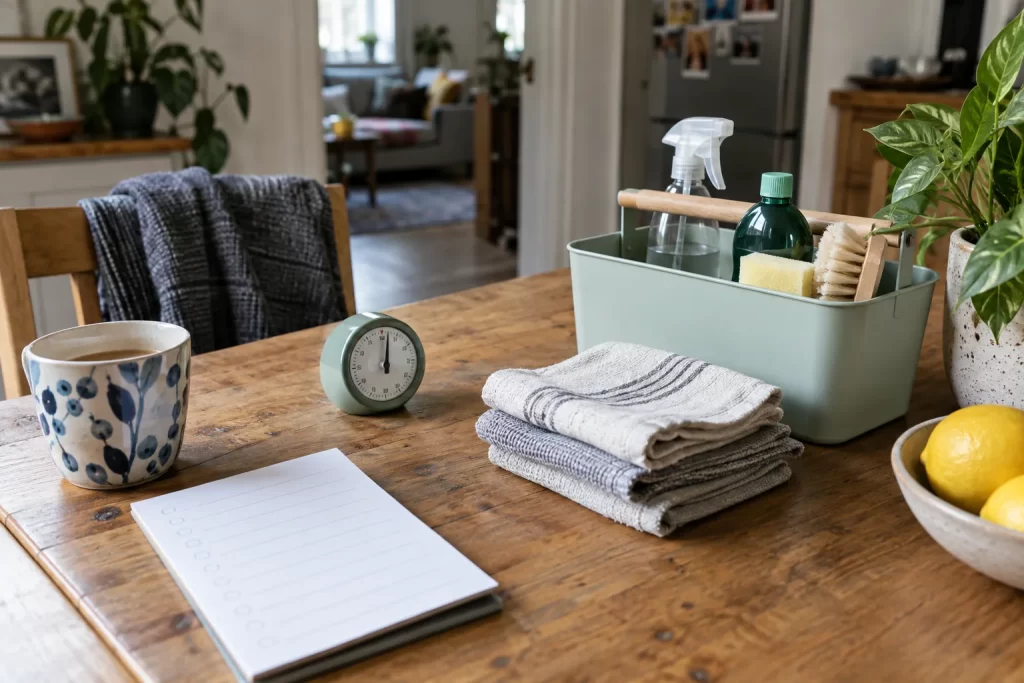
Three ways to divide the appointment
Plan A: protect the kitchen and bathroom
This suits a home where hygiene-sensitive, frequently used rooms matter more than an even visual finish. The cleaner begins with the bathroom and kitchen while cloths, tools and products are organised for separate zones. Remaining time goes to vacuuming, suitable floor cleaning and quick dusting in the sitting room and bedrooms. Internal cupboards, the oven, the fridge and heavy scale stay outside the brief unless one of them replaces another task.
Plan B: give the whole flat a lighter pass
This can work in a tidy, regularly maintained flat. Accessible furniture is dusted, open floors are vacuumed or cleaned appropriately, the bathroom receives routine attention and the kitchen worktops and sink are reset. It is coverage rather than detail. Skirting boards, door frames, cupboard fronts and accumulated edges are recorded for a later rotation instead of being squeezed into every visit.
Plan C: finish one problem area properly
A one-room focus is sensible when a particular area has fallen behind. The appointment might concentrate on a greasy kitchen exterior, a bathroom with manageable build-up or a living area after a gathering. This is not automatically a full deep-cleaning scope; the aim is to use the available time coherently rather than spreading it across unrelated rooms. Specialist stains, post-building dust and unsafe high areas still need separate assessment.
Tasks that often need separate agreement
Inside ovens, fridges and cupboards take longer because they need emptying or preparation and involve many individual surfaces. Interior windows may require furniture to be moved and safe access to be confirmed. Heavy limescale, adhesive, paint, renovation dust and stain treatment cannot be treated as ordinary wiping. Moving heavy furniture or working at unsafe height should never be assumed.
If one of these tasks is essential, say so before the visit and decide what it replaces. For example, cleaning inside an emptied fridge may mean one bedroom receives no dusting that day. That is a reasonable choice when it is explicit. It becomes disappointing only when both customer and cleaner silently expect the original room list to remain unchanged.
Prepare without cleaning before the cleaner
You do not need to scrub the home in advance. The useful preparation is removing decisions and obstacles. Put away medicines, valuables and confidential papers. Secure pets where they will be calm. Clear food and washing-up from the work area if kitchen surfaces are a priority. Point out fragile finishes, loose fittings and anything that must not be moved. Confirm parking, keys, alarms and which room should remain usable.
Keep the brief short enough to read at the door. A phone note with protected priorities, optional tasks and exclusions is sufficient. If the home is unattended, agree how the cleaner will report completion and return the key. Photographs can help describe unusual build-up beforehand, but they do not replace an honest conversation about condition.
When three hours is the wrong unit of planning
A heavily neglected property, an end-of-tenancy handover, extensive renovation dust or a long list of internal appliances should be scoped by condition and outcome, not forced into a routine three-hour visit. The same is true when delicate stone, specialist textiles or unknown stains are involved. A longer one-off appointment or a condition-led deep clean may be more honest than promising superficial coverage.
Equally, more time is not always the answer. If surfaces are crowded and priorities are unclear, a longer appointment can still be inefficient. Preparation and sequencing often improve the result before extra hours do.
Review the plan after the first visit
Treat the initial appointment as useful evidence. Note which protected tasks were completed, where access slowed the work and which optional areas remained. If the kitchen consistently consumes most of the time, decide whether it should remain the priority, receive a deeper standalone visit or be supported by more upkeep between appointments. If bedrooms stay relatively stable, they can move to a rotation rather than appearing on every list.
A realistic three-hour plan is not a promise that every surface will be addressed. It is an agreement about order. When the most important rooms are named, separately booked tasks are identified and the cleaner can move safely through the home, a fixed visit can deliver a dependable result instead of an unfinished tour of the property.