End-of-tenancy cleaning removes suitable soil and residue; it does not reverse wear, replace damaged materials or complete maintenance. Grease on a sound hob, dust on a skirting board and removable scale on an intact fitting are cleaning issues. Scratched flooring, chipped enamel, failed sealant, broken hinges and discoloured surfaces may remain even when the property is clean.
Making this distinction before handover avoids wasted effort and unsafe treatment. It also produces a clearer record for tenants, landlords and inventory clerks. A remaining mark should be described accurately rather than labelled dirty simply because it is visible.
Use four questions when inspecting a mark
- Is there material sitting on top of a sound surface?
- Does the surface itself appear worn, missing, cracked or altered?
- Has an appropriate cleaning method already been tried?
- Would more force or stronger chemistry risk damage?
Residue often has an edge, texture or response to controlled wiping. Damage belongs to the material: a scratch catches light, missing sealant leaves a gap, and worn coating exposes a different layer. When uncertain, stop and document the condition.
Kitchen examples
Food residue, loose crumbs and grease on intact worktops are normally cleaning matters. Burnt deposits inside an accessible oven cavity may be treated within an agreed oven-cleaning scope. A cracked worktop, swollen laminate, broken cupboard hinge, missing enamel or failed appliance control is not.
Metal can remain discoloured after residue is removed. Glass can carry scratches that look like streaks. Silicone around a sink may be stained, split or detached; cleaning can improve its surface but cannot renew the seal. Photograph these areas before pressing harder.

Bathroom examples
Soap residue and manageable mineral deposits on sound fittings can often be cleaned with a material-appropriate method. Corroded plating, etched glass, cracked tiles, loose grout and failed sealant need maintenance or replacement. Persistent dark marks within deteriorated silicone are not corrected by endless surface wiping.
Ventilation defects, leaks and damaged finishes should be reported. Avoid unsupported claims about mould or health. If biological contamination or a significant moisture problem is suspected, the appropriate specialist or property manager should assess the source.
Walls, woodwork and fittings
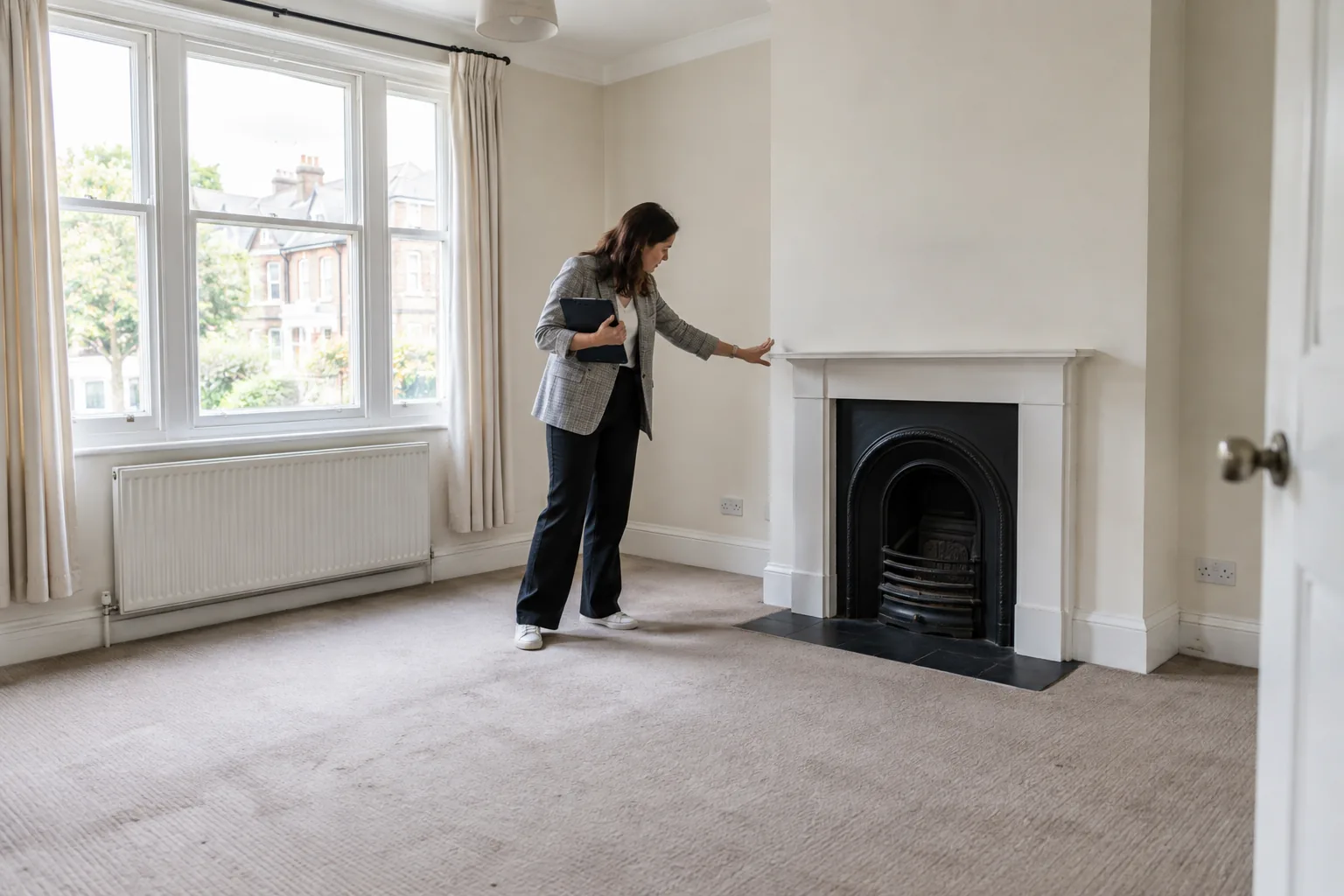
Dust and ordinary fingerprints on durable painted surfaces may respond to gentle cleaning. Scuffs that have removed paint, nail holes, impact damage and water staining are decoration or repair issues. Excessive rubbing can turn a minor mark into a polished patch or remove more paint.
Door handles and switches can be cleaned when sound. Loose plates, exposed wiring and broken fittings should not be treated as cleaning tasks. Record them and keep the area safe.
Floors and carpets
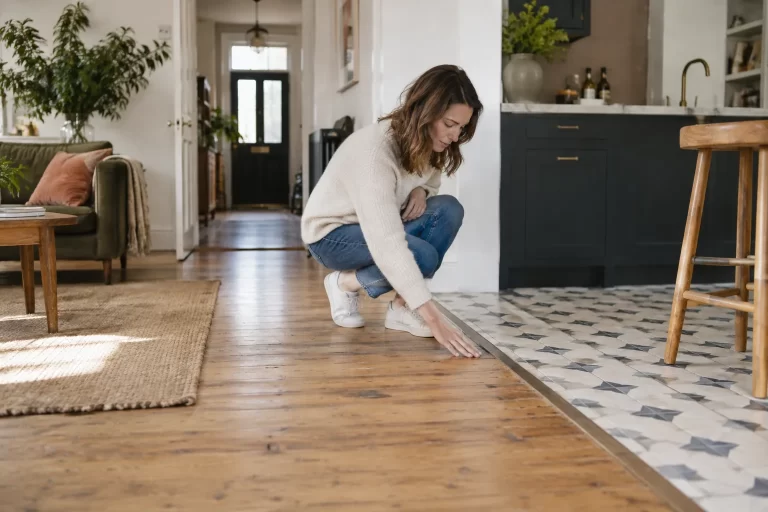
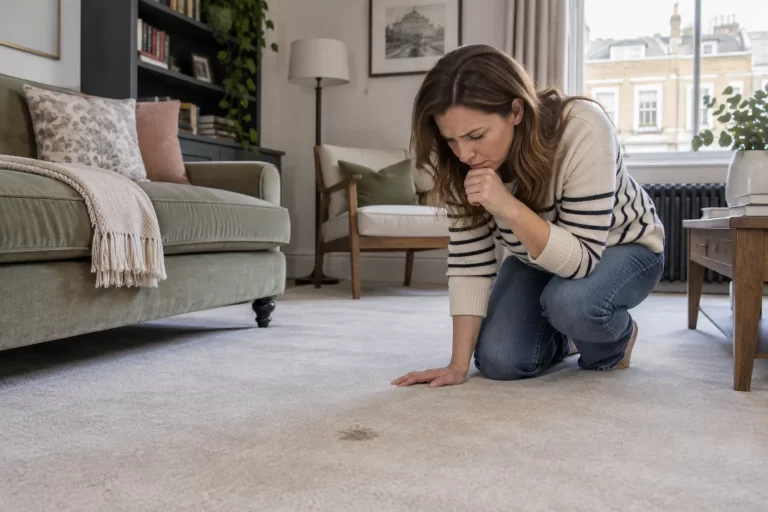
Loose soil, suitable surface residue and some stains fall within cleaning. Scratches, dents, worn finish, delamination, burns and permanent colour loss do not. On carpet, a professional assessment may improve a removable mark, but it cannot regrow abraded pile or restore dye that has been removed.
Do not hide floor defects with polish, fragrance or a rug. If carpets are part of the handover brief, arrange carpet treatment early enough for assessment and drying rather than assuming every mark will disappear on the final morning.
Windows and glazing
Accessible soil on glass, frames and sills can be cleaned when included. Condensation trapped between sealed panes, scratched glass, failed putty, damaged restrictors and rotten timber require repair. External access may also need a specialist method; visibility from inside does not prove safe reach.
Why inventories and photographs matter
Compare the current condition with the check-in record where one exists. Use photographs in normal light and include enough surrounding area to identify the location. Close-ups alone can exaggerate a tiny defect or make it impossible to tell which fitting is shown.
Record the date and whether the surface is dry. If cleaning was attempted, note the method without making speculative claims. This is practical evidence, not a promise about a deposit. Deposit decisions depend on agreements and evidence beyond the cleaner’s role.
Plan repairs before the final clean
Dust-producing repairs, sanding, drilling and decoration should normally finish before the final end-of-tenancy clean. Otherwise newly cleaned rooms may need another pass. Small snagging that does not create residue can be scheduled carefully, but the responsibilities and sequence should be clear.
If a repair requires sealant, paint or adhesive to cure, follow the installer’s guidance before cleaning around it. Do not ask a cleaner to test whether a fresh finish is ready.
Set the scope room by room
List the cleaning work separately from defects. In the kitchen, name appliances and internal cupboards that are included. In bathrooms, identify intact fittings and any damaged sealant. For each room, note floors, storage, windows and existing damage. This prevents maintenance items from silently expanding the cleaning brief.
Empty access is usually more efficient, but make sure utilities remain available and waste has been removed. Cleaning is not a disposal service unless specifically arranged.
What to do when a mark remains
Inspect it after the surface has dried. Ask whether additional safe treatment is available and what risk it carries. If the answer is uncertain or the material is changing, stop. Record the remaining condition as possible wear, damage or permanent staining and refer it to the responsible party.
A clean handover is not the same as a newly refurbished property. Honest classification protects surfaces and makes the final report more useful. Remove what can be removed safely, document what cannot, and send repairs to the trade equipped to perform them.
Use three tests before calling something cleanable
First ask whether material has been added to the surface: grease, limescale, dust and loose food are deposits. Next ask whether material has been lost: missing paint, worn finish and a chip are changes to the property. Finally ask whether a component still performs its function. A stained but intact seal differs from sealant that has split and admits water.
These tests prevent a common handover mistake. A dark line is not automatically dirt, and a clean surface is not automatically undamaged. Record the result in ordinary language rather than attempting a diagnosis outside your expertise.
Agree how evidence will be compared
Use dated check-in information where it exists and photograph from a similar angle in good light. Include a wider view so the location is clear. Avoid filters, extreme close-ups and wet “after” photographs that temporarily hide dullness.
Allow cleaned areas to dry before judging them. Invite the relevant party to raise exact locations promptly, because a general complaint that the property is “not right” cannot distinguish missed soil from wear.
Build enough time into the moving schedule for this distinction to be made after surfaces dry. A rushed final hour encourages unnecessary scrubbing of damage and leaves genuine removable soil unfinished. Clear classification is useful because it sends each item to the right next action.