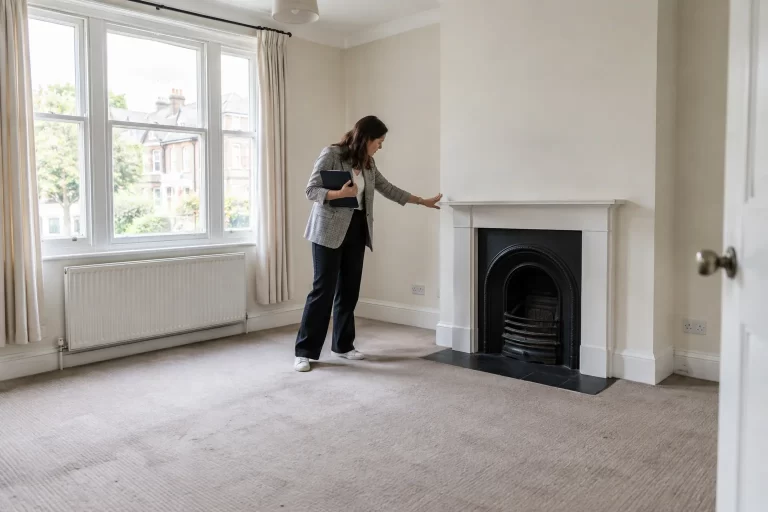

A home is ready for an after-builders clean when dusty work has stopped, contractors have removed tools and waste, wet finishes have cured as instructed, utilities are available and cleaners can reach the affected surfaces safely. If sanding, cutting, drilling or snagging will continue, a final clean is premature. New dust will settle on completed rooms and trades may undo careful floor, glass and joinery work.
Readiness is not the same as the project being perfect. Minor defects can remain on a snagging list. The important distinction is that remaining work will not create more widespread dust, wet material or unsafe access.
Use a go-or-wait test
Walk through the property with the site lead. Ask whether any task will create airborne dust, debris or splashes after the proposed cleaning time. Check each room, not only the main work area. Cutting in a hallway can contaminate completed bedrooms; sanding one door can put dust back onto nearby floors and fittings.
Go ahead when trades have finished dusty operations, protective coverings can be removed safely, waste has left and the cleaner has a stable route. Wait when decorators still need to sand, builders are cutting materials indoors, sealant or paint remains vulnerable, or equipment blocks the rooms that are meant to be cleaned.
Remove construction waste before cleaning
Offcuts, rubble, empty bags, used masking materials and discarded packaging are not ordinary household soil. They should be removed by the responsible trade or waste service. A cleaner cannot work efficiently while sorting unknown materials, and sharp or heavy debris can damage equipment and floors.
Ask contractors to collect tools, fixings and materials they intend to keep. Do not guess whether an unlabelled component is rubbish. Create one clearly agreed storage area if a small quantity must remain, and exclude it from the cleaning route.
Check that water, electricity and lighting work
Suitable vacuuming and controlled wiping depend on reliable power, water and light. Confirm which sockets are live and whether any circuit is isolated. Make sure taps and drainage can be used without disturbing unfinished plumbing. Temporary lighting may hide fine dust and surface defects, so permanent or adequate task lighting is preferable for the final inspection.
Report any restriction before the appointment. A property without safe power access may need a different plan rather than an improvised extension route. Cleaning should never interfere with an electrical or plumbing isolation arranged by a contractor.
Respect curing times and new finishes
Fresh paint, sealant, grout, flooring finishes and adhesives need the time specified by their manufacturer or installer. A surface that feels dry may not be ready for pressure, moisture or covering. Ask the trade to identify newly finished materials and provide care instructions. Pass those notes to the cleaner.
Do not remove protective films from specialist surfaces unless responsibility is clear. Film can hide residue, but premature removal can also expose a finish before other work is complete. Labels, masking and tape should be removed by the trade when doing so is part of completion, particularly if adhesive needs a specialist method.
Separate dust from construction residue
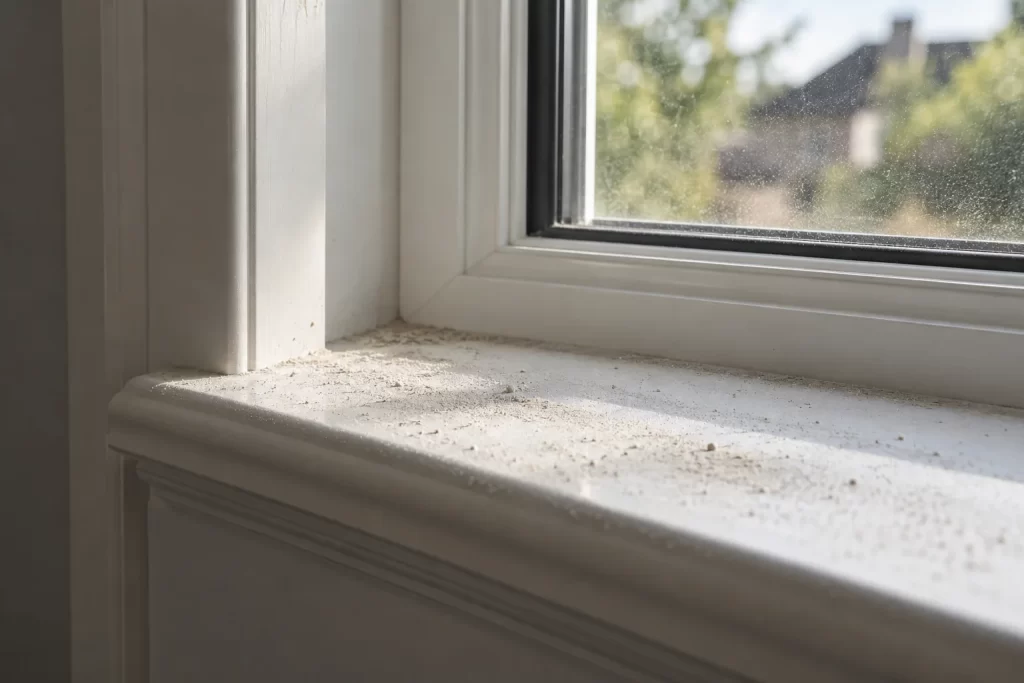
Fine settled dust can be removed in controlled stages. Paint, plaster lumps, cement, grout haze, silicone and adhesive may require different tools or a specialist. Aggressive scraping risks scratching glass, tiles, metal and finished joinery. Identify these residues during the walk-through rather than expecting a general dust clean to solve them all.
Photograph questionable marks and ask the relevant contractor what material was used. That information can decide whether treatment is safe. If a mark is actually a chip, burn, scratch or failed finish, record it as snagging or damage.
Create a safe equipment route
Cleaners need to move a vacuum, caddies and cloths without stepping over cables or unfinished thresholds. Secure stair edges, cover genuine hazards and ensure doors can open normally. If lifts, loading bays, parking permits or concierge access are involved, arrange them before arrival.
Do not stack furniture in every cleaned room. Where items must remain, group them in an agreed zone and accept that covered surfaces or blocked floor areas cannot be completed. Heavy movement should be handled by the appropriate team rather than added informally during cleaning.
Plan the sequence from dry removal to final wipe
After-builders work normally starts by controlling dry dust at higher and hidden surfaces before suitable damp wiping and floor work. If floors are cleaned first, later dust from shelves, frames and fittings can settle back onto them. Ventilation also needs control: a strong draught can move loose dust from an untreated room into a completed one.
The plan should include adjoining areas reached by dust, not just the room where building work occurred. Check door tops, window reveals, ledges, accessible vents and routes used by contractors. Textiles and specialist equipment may need their own treatment.
Decide whether the clean is staged or final
Some projects benefit from an initial builders’ clear-up followed by a final presentation clean after snagging. The first stage reduces heavy dust and makes defects visible; the second deals with settlement and fingerprints once trades have truly left. This is more honest than calling an early visit “final” while the project is active.
If occupancy must begin quickly, prioritise safe functional rooms and isolate unfinished zones. Record what has not been released for cleaning. A staged plan can protect the move-in date without pretending the entire property is complete.
Conduct a joint readiness check
- Dust-producing work has stopped in every affected and adjoining room.
- Tools, rubble and trade waste have been removed.
- Power, water, drainage and adequate lighting are available.
- New finishes are cured and their care requirements are known.
- Paint, adhesive and cement residue have been identified separately.
- Cleaners have safe access, parking and an equipment route.
- The client has decided whether this is an initial or final pass.
When these points are true, an after-builders clean can focus on controlled dust removal instead of working around an active site. If they are not, rescheduling or narrowing the scope usually protects the new finishes and the value of the appointment.
After the first pass, allow settled areas to be seen again in ordinary daylight. Fine material can move from radiator covers, high ledges, open cupboards and adjoining rooms after the main work looks complete. A planned inspection is not an admission that the clean failed; it is a sensible part of dealing with dust that was distributed through a renovation. Record where it returns, check whether trades have re-entered, and decide whether a targeted second pass is preferable to repeating the entire property.
Confirm readiness in writing
A short sign-off from the project contact should name the last dusty task, confirm that waste and tools will be removed, and identify any room still under contractor control. Attach current photographs when several people are coordinating remotely.
If work restarts after sign-off, protect completed rooms and tell the cleaner. Readiness is a condition of the site, not a date that remains valid regardless of what happens next.