
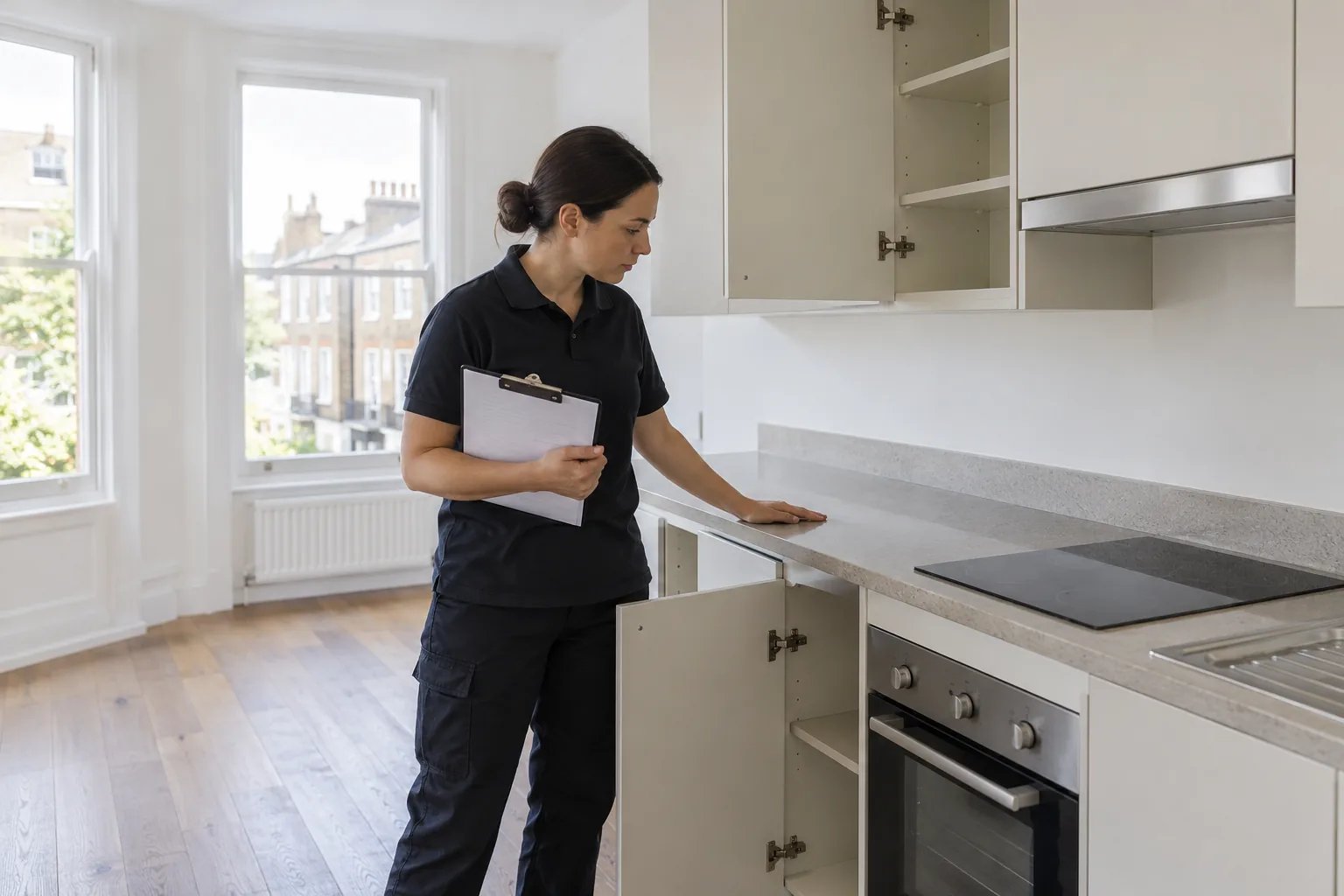
An empty property may appear easy to clean because furniture has gone, yet the essential supplies may already be disconnected. Water, electricity and usable light affect what can be washed, vacuumed and inspected. Confirm the conditions close to the booking date, then agree which tasks can be completed safely. A partial visit can still be useful, provided its limits are recorded and the postponed work is booked after supplies return.
Confirm electricity, water and light
Ask the person providing access to check that taps run, the sockets needed for equipment have power and each room has working light. “Utilities are on” may mean the hallway light works while the kitchen socket does not. A prepayment meter may need credit or an account may have closed after the former occupant left. Verify the condition near the appointment, not only when it was booked weeks earlier.
Find out whether heating and ventilation are available if wet work is planned. A cold, unventilated room may take longer to dry. Identify a safe water point, a suitable waste-water route and any building rules about equipment or access. Tell the cleaner if a lift is out of service or a staircase is too narrow for certain equipment. An empty room is not automatically an easy work site.
Lighting matters at the end as well as the start. A torch may help someone enter a dark room, but it may not reveal a fine film on an oven door or scale in a corner well enough for a final inspection. If adequate light cannot be provided, do not sign off that area as fully cleaned. Record it for a return visit.
Decide what work can proceed safely
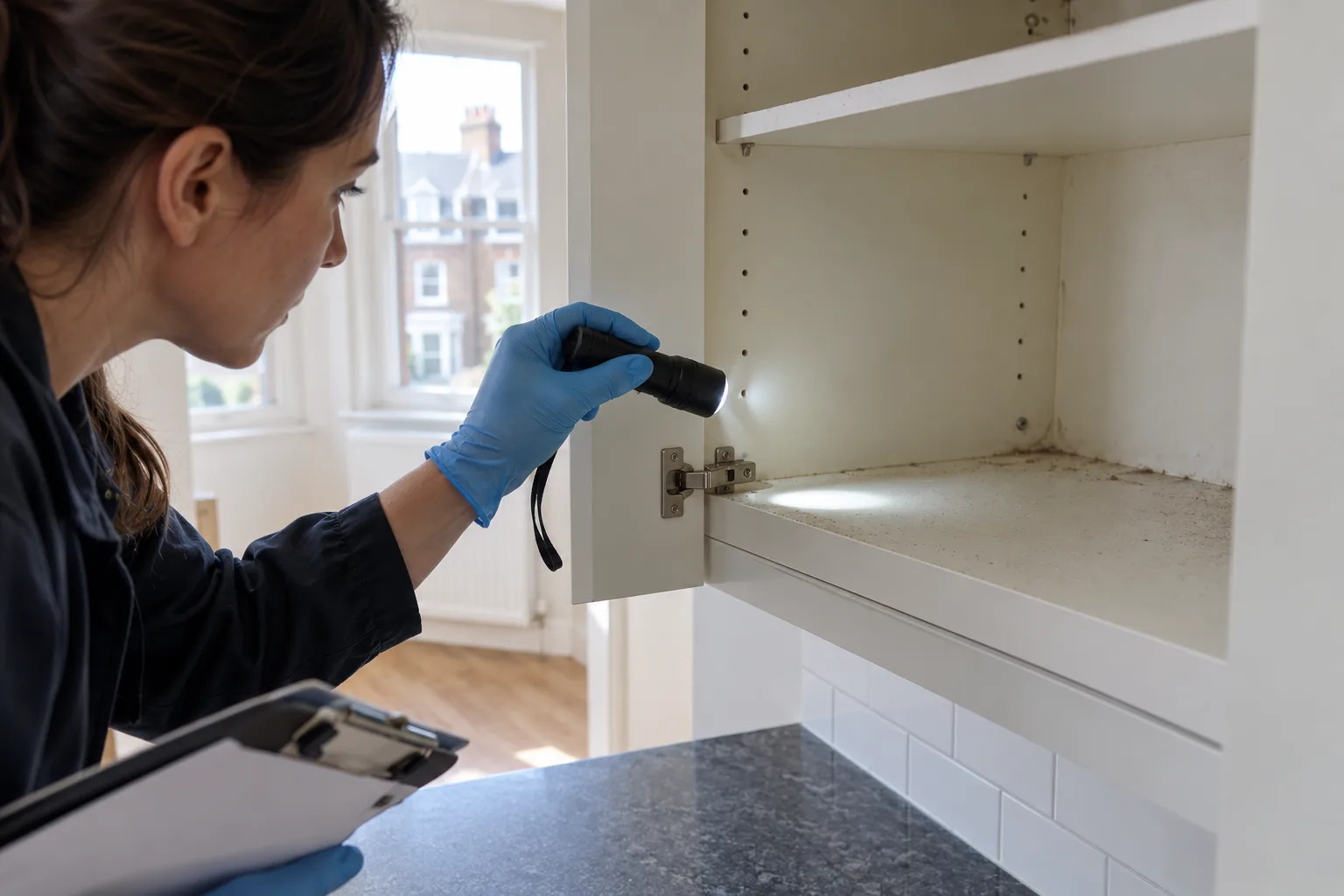
Dry loose debris can sometimes be collected in daylight with suitable equipment. Accessible shelves may be dusted and a room can be prepared for later wet work. Vacuuming normally depends on power unless another arrangement has been expressly agreed. Bathrooms, kitchens and appliance interiors often need water for washing and rinsing. Do not assume that a bucket brought from elsewhere solves every supply issue; carrying and disposing of large amounts of water may not be practical or safe.
Keep the route through the property clear. Move equipment only through safe lit areas and avoid trailing leads across doorways. Do not improvise an electrical connection from an unknown circuit or borrow a neighbour’s supply without an agreed safe arrangement. If a socket looks damaged or is near a leak, avoid it and report the condition. Cleaning does not include making the utility system safe.
Choose tasks that can be completed and inspected, not simply started. A refrigerator that needs washing and drying should not be opened, treated and left damp because the water failed. A floor that cannot be properly rinsed after a product is applied should wait. The scope should change as soon as the limitation becomes clear.
Plan access and equipment around outages
If power is available only for part of the day, group powered tasks during the confirmed period and leave dry work for daylight. Check that any portable equipment is suitable for the site and has a safe charging plan. A battery vacuum may help with one room, but it cannot replace water or adequate light for the rest of the property. Agree equipment substitutions before the team arrives rather than assuming they will have every alternative in the van.
Confirm key collection, parking or loading access and a contact who can authorise a change of plan. If nobody can be reached when a supply fails, the cleaner should have a conservative boundary: finish safe independent work and leave the dependent area untouched. Record the time of the issue and the rooms affected. This helps arrange a return without arguing later about what could have been done.
Heating may be off even when power is available. That can affect the drying time for floors or fabrics. Plan for the property to remain ventilated and secure after the visit as appropriate. Do not shut a damp cupboard or refrigerator merely to make the room look ready for handover.
Reschedule tasks that need utilities
A bathroom without water, a kitchen without working light and an appliance that cannot be powered down safely should be excluded from a full-clean claim. Photograph the accessible condition and list the postponed tasks. If a cleaner has already applied a product before a supply fails, follow its instructions for safe removal where possible and tell the authorised contact exactly what remains. Do not leave active chemical residue on a food-contact surface without a clear warning.
Once supplies return, verify that the property is still accessible and that new boxes or maintenance work have not changed the route. Book enough time for the deferred washing, rinsing, drying and final photographs. A move-in or move-out clean can be scoped against the actual conditions rather than the assumption that an empty property has full utilities. Where the empty home is being handed back at the end of a tenancy, confirm the utilities before fixing the date of an end-of-tenancy clean as well.
The published key and access plan for an empty-property clean is also useful. Access and utilities are related but distinct: a cleaner can have the key and still lack water or light. Confirm both before the appointment.
See how limitations affect different rooms
In a kitchen, water is needed for many food-contact surfaces and for removing product residue where the label requires rinsing. A refrigerator may need power and adequate drying time, depending on what is being done. If the water is off, dusting an empty shelf might be possible, but that should not be described as a fully cleaned kitchen. If only part of the lighting works, a greasy hob or oven may also be difficult to inspect fairly.
In a bathroom, a dry floor sweep does not replace washing a basin, toilet or shower. A product that must be rinsed should not be applied when no water is available. A working extractor may help drying, but it cannot supply water. If a room is cold and sealed, allow for longer drying after utilities return. Note any leak or damaged fitting separately from the missing supply so the correct repair can be arranged.
Carpets and hard floors differ too. A dry vacuum pass requires power unless suitable independent equipment was agreed. Wet carpet treatment needs a drying plan and ventilation. A hard floor may be dry-vacuumed but not mopped without a safe water source and a way to inspect it after drying. These distinctions help decide whether a partial appointment will deliver useful completed work or whether postponing the whole visit is more sensible.
At the preflight call, ask the contact to confirm the actual rooms: “Does the kitchen tap run?”, “Can the bathroom light be switched on?” and “Is the socket for the vacuum live?” Specific answers are more reliable than a general assurance. If nobody can verify them, an early site check may save the cost and disruption of sending a team with the wrong plan.
Record a partial result accurately
List the rooms completed, the surfaces left untouched and the utility problem that prevented them. Do not describe a dark or inaccessible cupboard as cleaned. Take photographs only where the condition can be shown fairly. A partial clean should have a clear date and a proposed return plan, especially when a tenancy handover is near.
Tell the person receiving the keys whether any cupboard, appliance or floor has been left open to dry. If a defect in the utility system was found, pass it to the property manager or owner for repair. Cleaning work can resume after the supply is restored and the area is safe. A transparent record makes the eventual complete result easier to inspect.